Preparing to Garden
Why is planning the layout of your garden important?
Planning the layout of your garden is important because it helps you create an organized and functional space that meets your gardening needs and preferences. A well-planned garden layout allows you to optimize the use of space, ensure proper sunlight exposure, and create an aesthetically pleasing environment.
By planning the layout of your garden, you can decide where to place different features, such as garden beds, paths, seating areas, and water features. This helps you avoid overcrowding and ensures that there is enough space for each feature to function properly. It also allows you to create an efficient and practical garden layout that facilitates movement and accessibility.
Additionally, planning the layout of your garden helps you determine the best location for plants based on their sunlight and water requirements. This ensures that your plants receive the necessary amount of light and water to grow and thrive. It also helps you avoid planting in areas with poor soil quality or other unfavorable conditions.
The layout of your garden can also have a significant impact on your gardening longevity. Considering low maintenance gardens or raised garden beds can help you to continue to garden if you experience health issues such as arthritis or mobility problems.
Lastly, planning the layout of your garden allows you to create a visually appealing environment that reflects your personal style and preferences. By considering factors such as color, texture, and form, you can create a garden that is both functional and beautiful.
Planning the layout of your garden is essential to create an organized, functional, and aesthetically pleasing space that meets your gardening needs and preferences. It allows you to optimize the use of space, ensure proper sunlight exposure, and create an efficient and practical garden layout.
How do I plan my garden layout?
Planning the layout of your garden can be an exciting process that allows you to create a space that reflects your personal style and meets your gardening needs. Here are some steps you can take to plan the layout of your garden:
Determine your garden goals and priorities: Before you start planning the layout of your garden, it’s important to determine what you want to achieve with your garden. Consider what types of plants you want to grow, the amount of time you have to devote to your garden, and your budget. This will help you establish your priorities and guide your decision-making process.
Evaluate your garden site: Assess your garden site to determine factors such as the amount of sunlight it receives, the type of soil, and the topography. These factors can influence the placement of garden beds, seating areas, and other features.
Develop a garden design plan: Develop a plan that includes the layout of garden beds, paths, seating areas, and other features. Consider the dimensions of your garden site and the available space for each feature. Use graph paper or a digital garden planner to visualize your garden design plan.
Determine plant placement: Determine the placement of plants based on their sunlight and water requirements, and the size and shape of each plant. Group plants with similar needs together, and consider adding companion plants that support each other’s growth.
Consider garden decor: Add garden decor such as statues, fountains, or sculptures to add interest and personality to your garden. Consider the size and scale of each piece in relation to the overall garden design.
Review and adjust: Review your garden design plan and make any necessary adjustments. Consider factors such as ease of maintenance, accessibility, and aesthetics.
By following these steps, you can plan the layout of your garden to create a functional and beautiful space that meets your gardening needs and reflects your personal style.
Once I have my plan, then what?
Once you have your plan the hard work and the fun begins!
- You will need to clear your garden of any current plants which you no longer want.
- Dig them out carefully and offer them to friends or neighbours if they are still in good condition.
- Alternatively if you want to keep them and move them to another spot in the garden, ensure that they are not out of the ground for too long and that you give them water as soon as possible.
- You also need to clear any other items from the area and organise for them to be removed.
- Finally, make sure there are no rocks, weeds or twigs remaining.
The fun part is choosing the plants which you are going to put in your new garden. Refer closely to your planning documents and your design layout to ensure you have considered current and future sizes of the plants and their individual requirements.
Soil Preparation
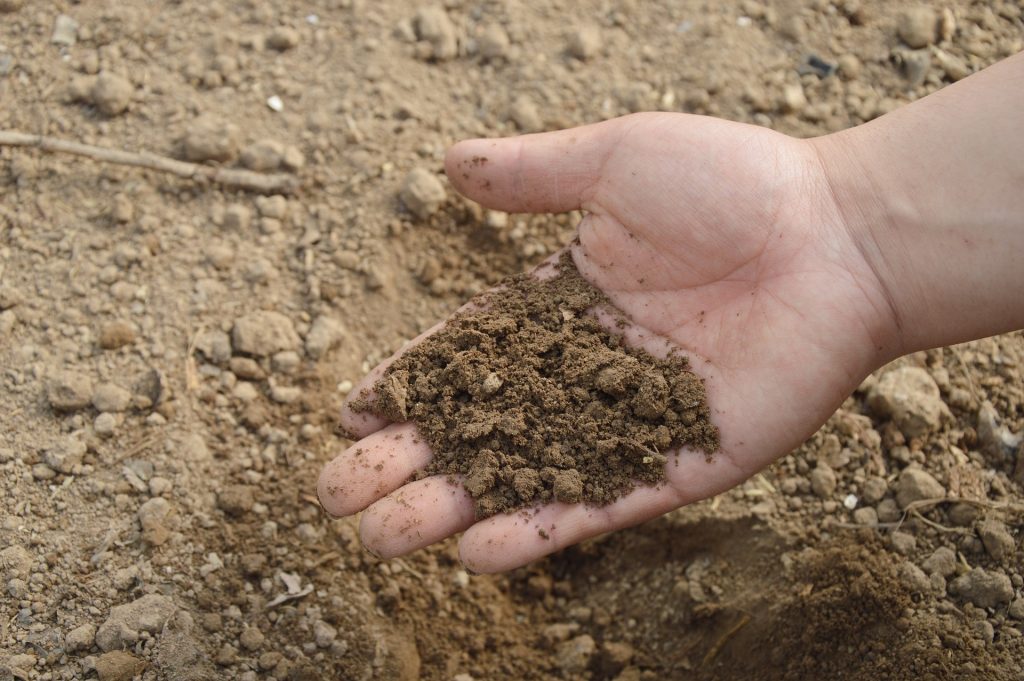
Test your soil to determine its pH level and nutrient content.
Based on the results, amend the soil by adding organic matter, such as compost, manure, or peat moss, to improve its quality.
You may also need to add lime or sulfur to adjust the pH level.
There are a range of soil testing tools and kits on the market. See our reviews of soil testing devices.
The Right Tools!
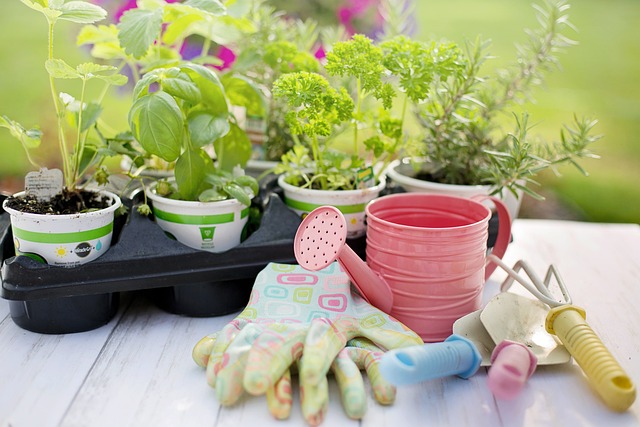
Every gardener must have the right tools for the various jobs which they will need to undertake. You may like to view our list of essential gardening tools for beginners.
You may also be interested to read our suggestions and reviews of assistive gardening tools for those with arthritis or mobility issues. The benefits of gardening are considerable and it is important that you find ways that you can continue to garden even when some health issues strike.
What will I plant?
Flowering plants


Flowering Suggestions
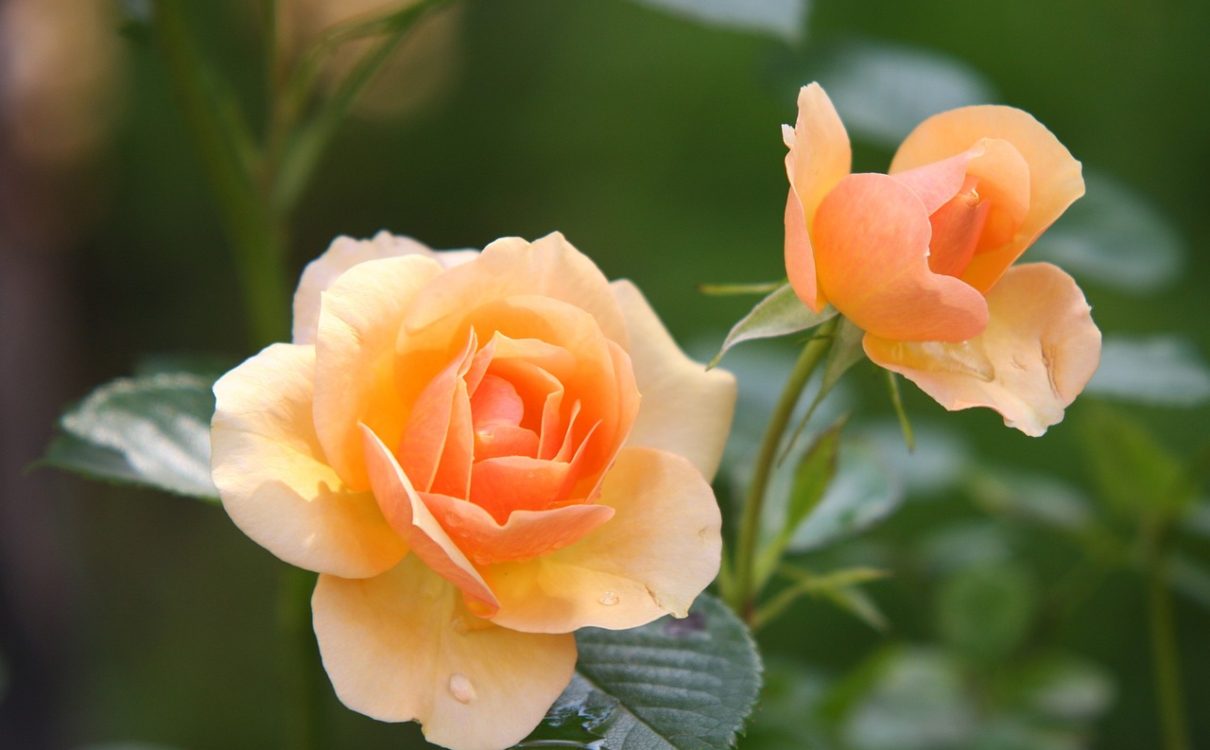
- rose
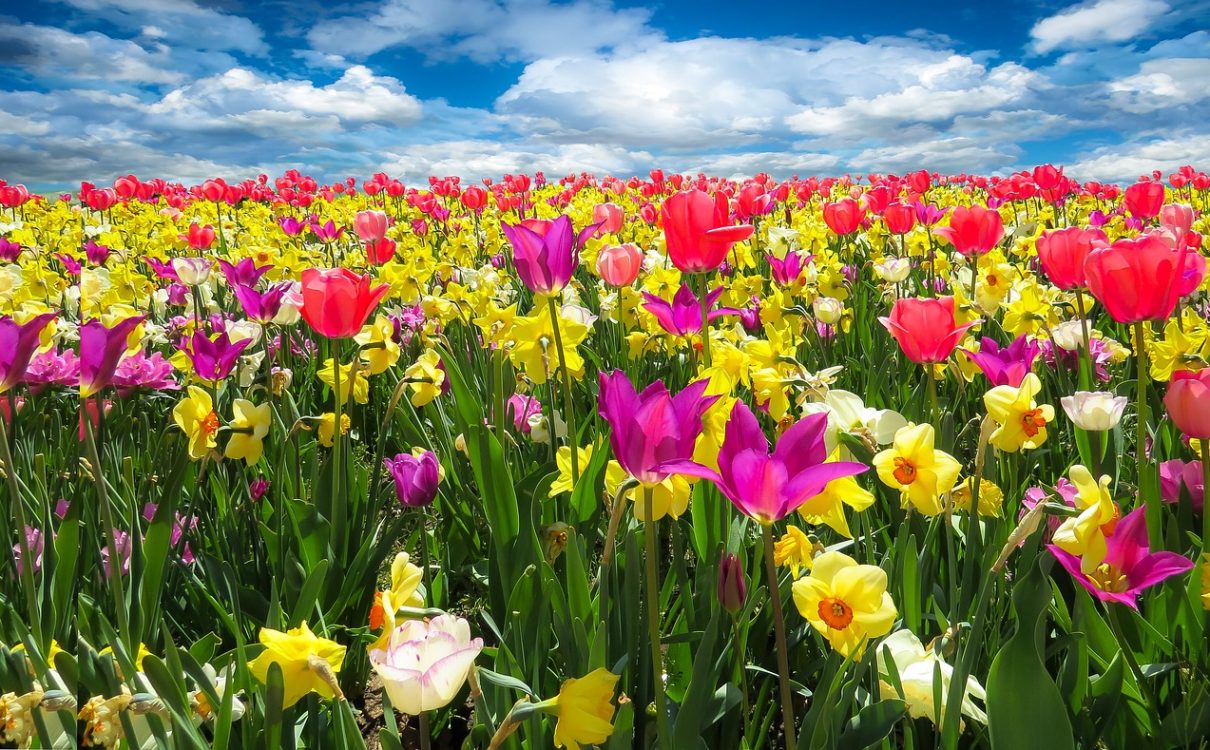
- tulip
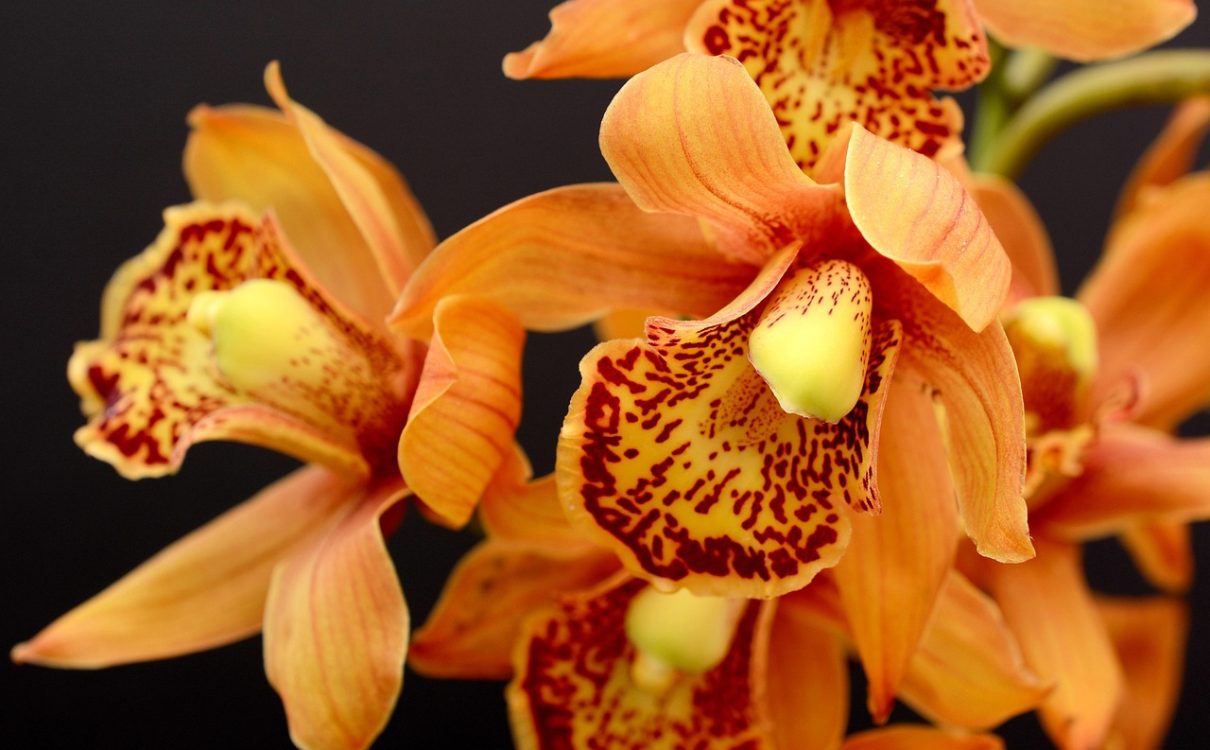
- orchid
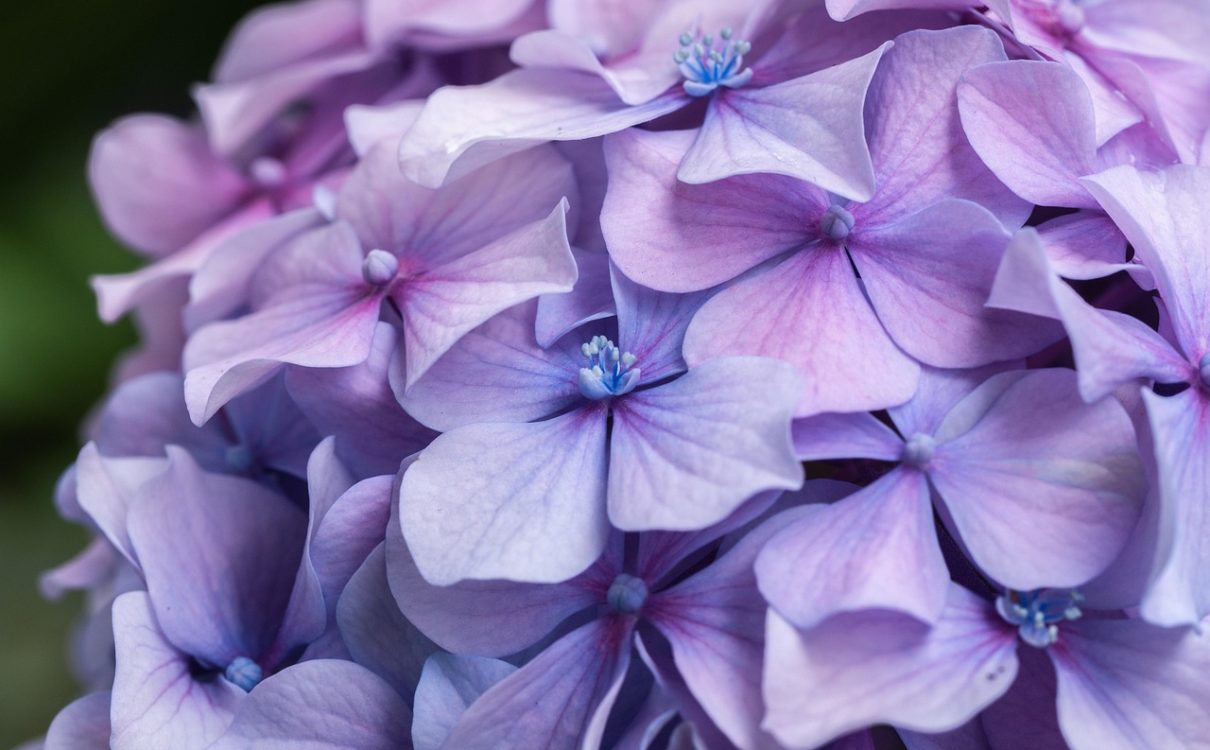
- hydrangea
- chrysanthemum
- peony
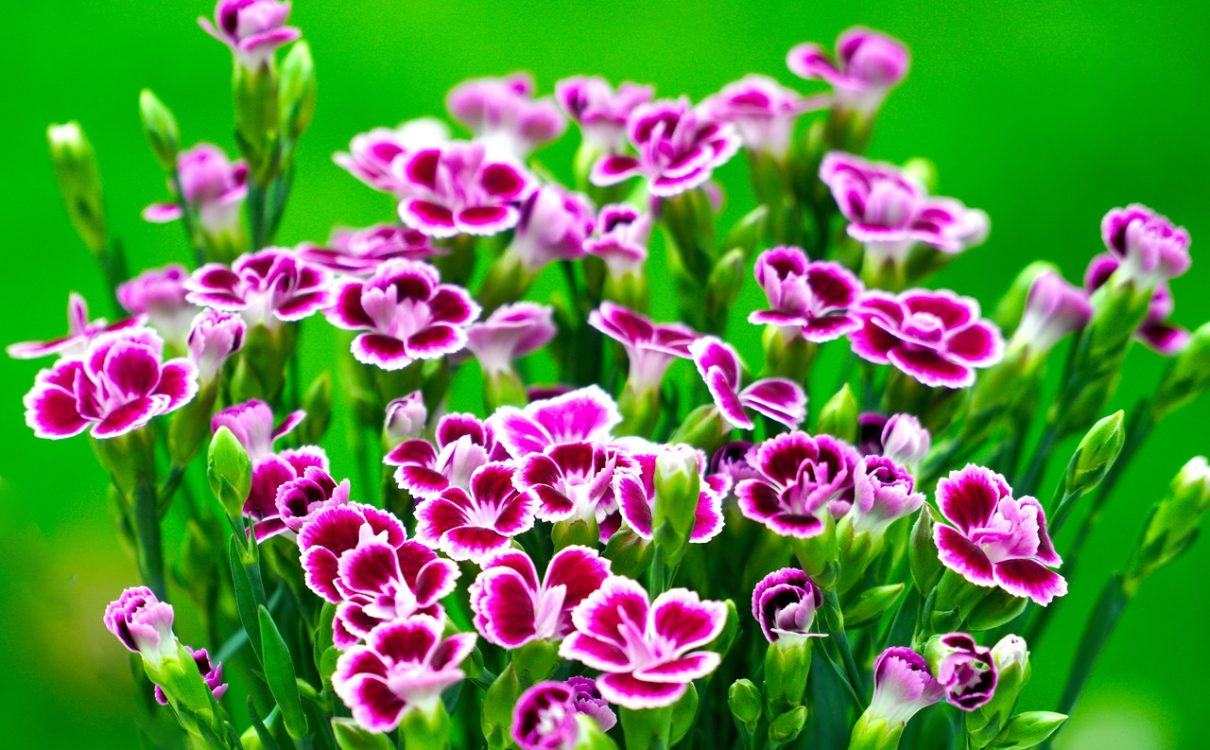
- carnation
- daisy
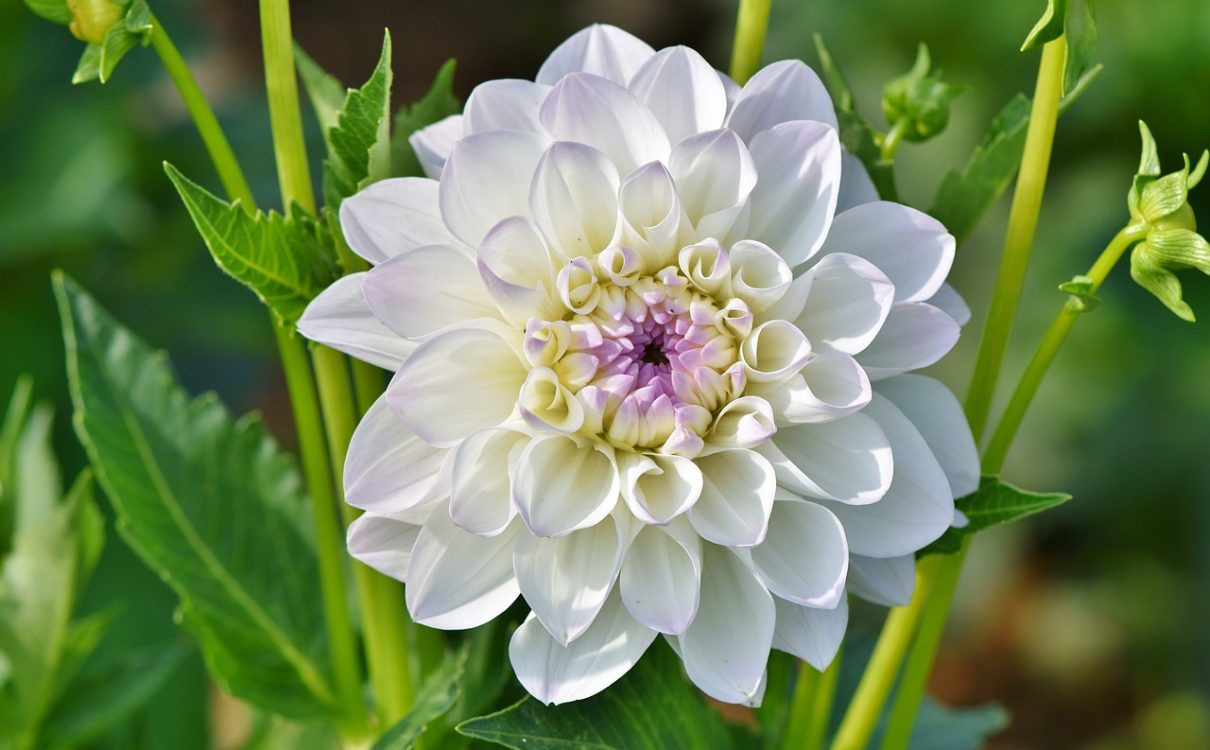
- dahlia
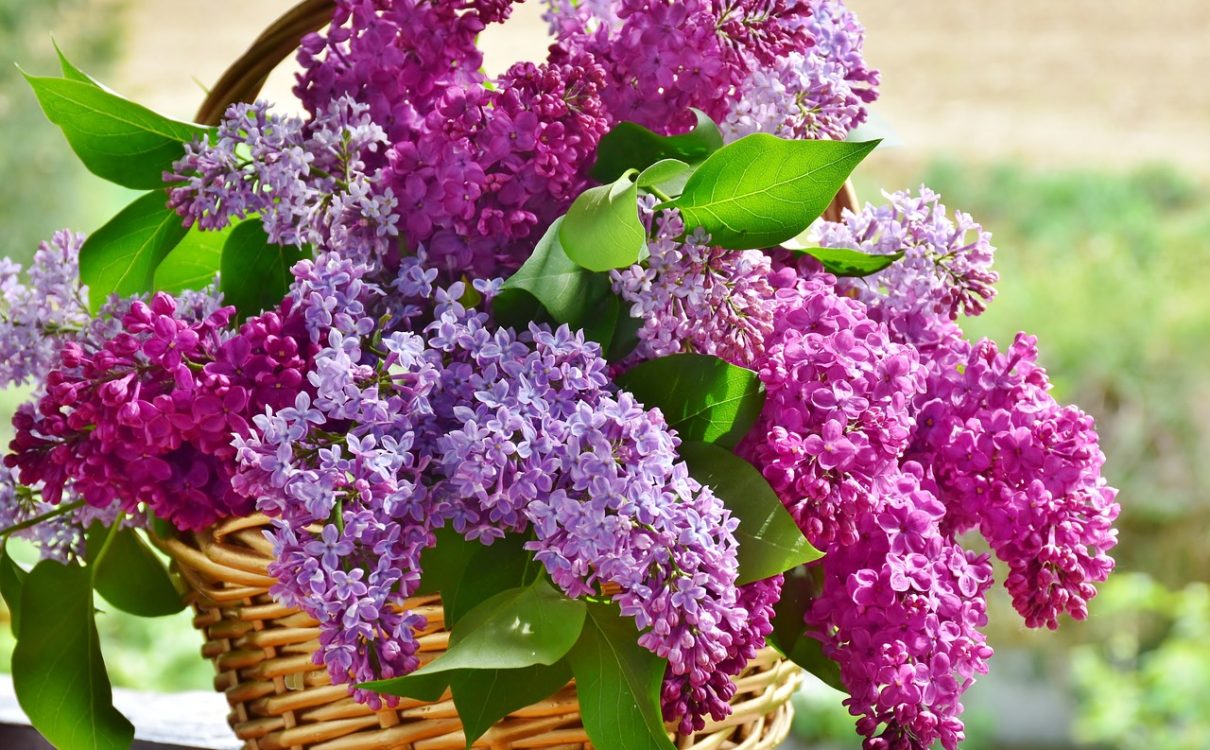
- lilac
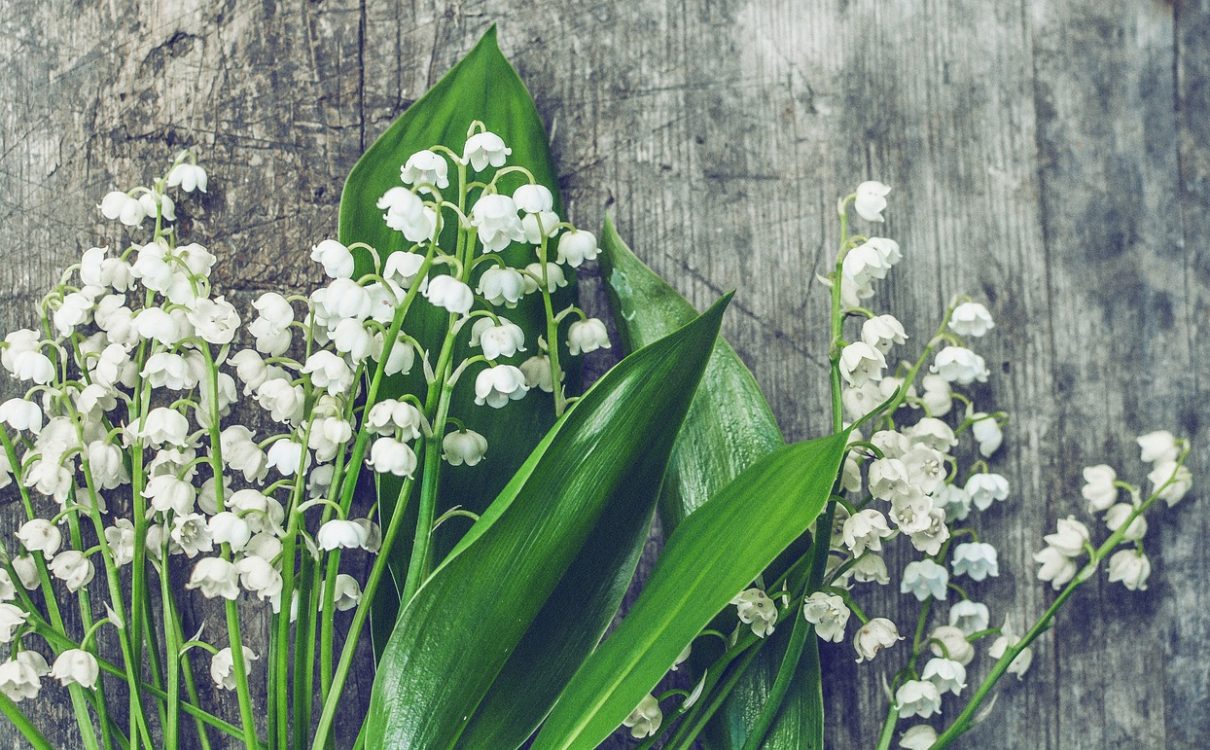
- lily
- daffodil
- iris
- sunflower
- magnolia
- freesia
- hyacinth
- gardenia
- petunia
- buttercup
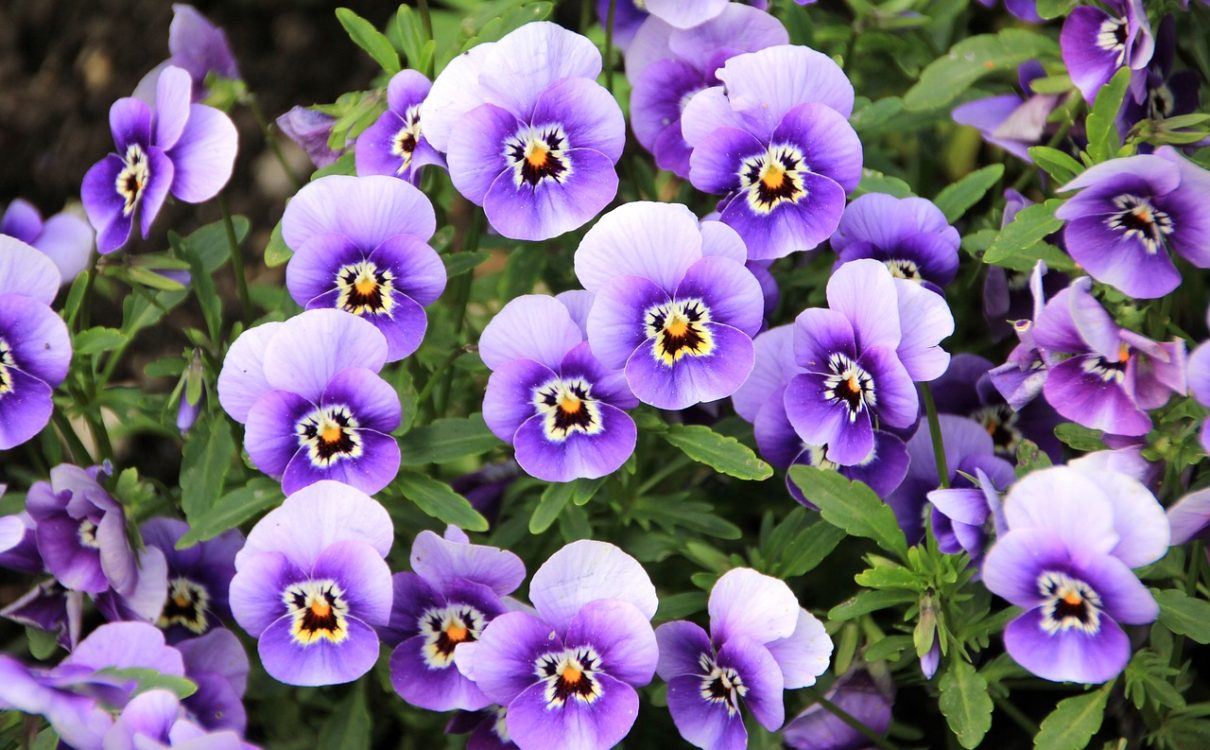
- pansy
- begonia
- petunia
- zinnia
- gerbera
- marigold
- snapdragon
- cosmos
Edible Suggestions


Easy to grow edibles
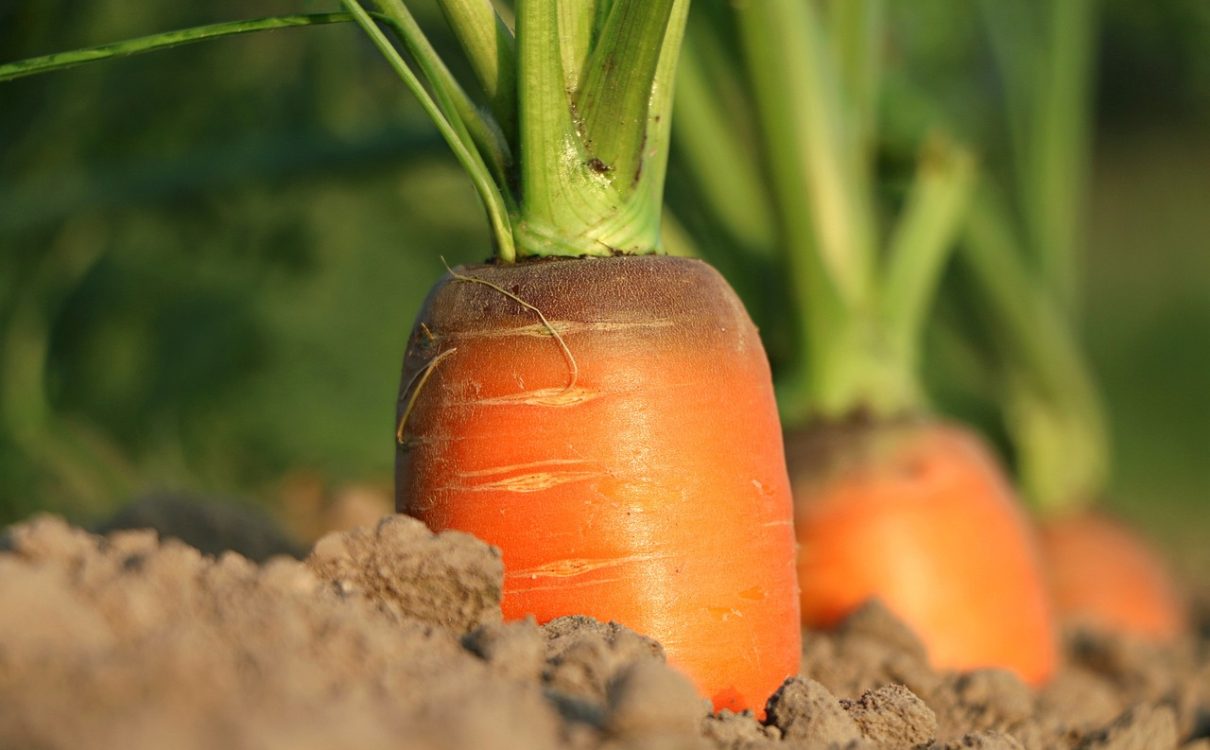
- carrots
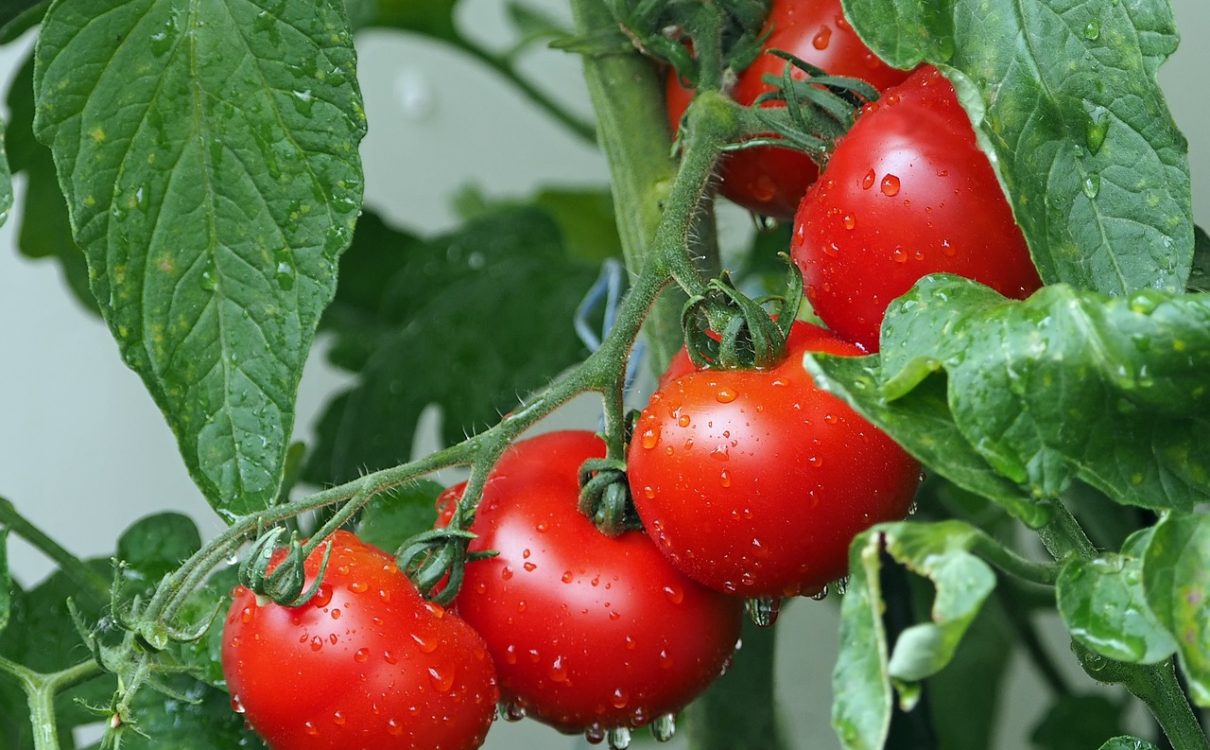
- tomatoes
- corn
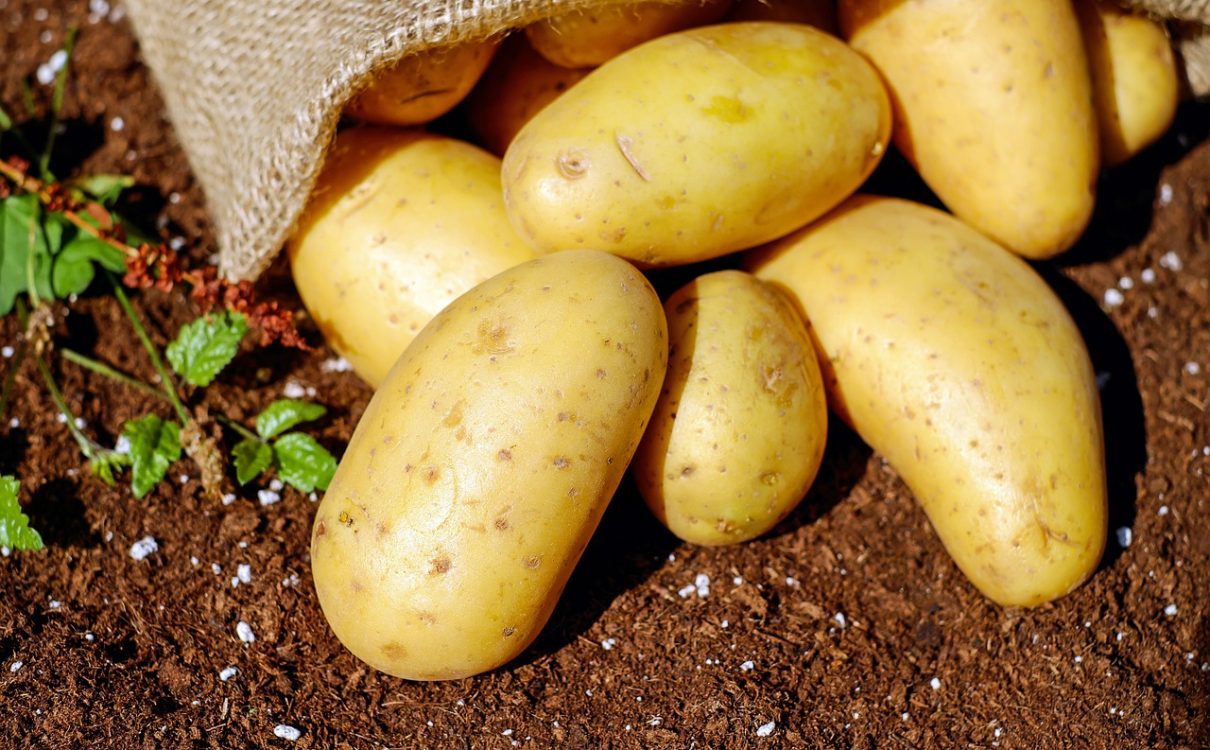
- potatoes
- sweet potatoes
- lettuce
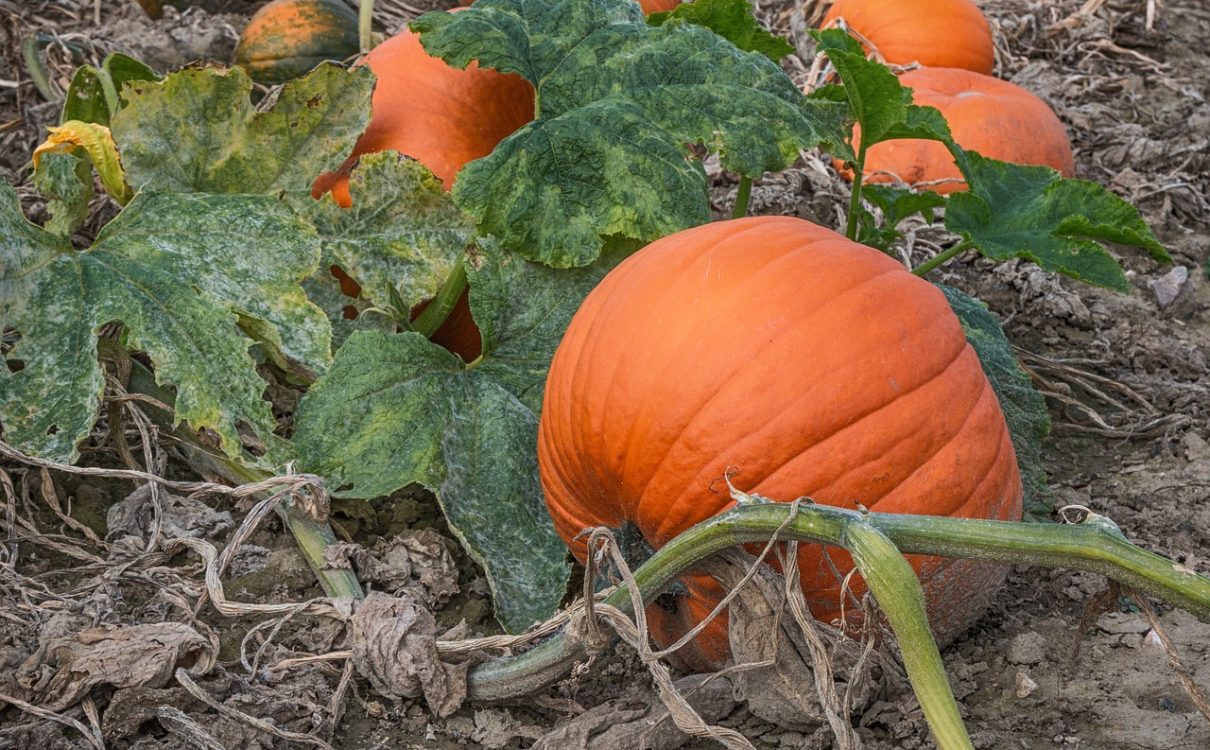
- pumpkin
- cucumber
- broccoli
- cauliflower
- zucchini
- mushrooms
- peppers
- spinach
- onions
- cabbage
- celery
- beans
- peas
- blueberries
- strawberries
- oranges
- apples
- lemons
- almonds
- bean sprouts
- garlic/ginger
- herbs
Or simply green?
Of course, there is another alternative and that is going simply green. A lush green environment outside your door can bring you a sense of calm and that is not to be underestimated. To be able to immerse yourself in a green garden can make you forget your troubles or even where you are situated.
That busy city street doesn’t seem so intrusive when you are surrounded by a sea of green.
- ferns
- moss
- bonsai
- ground cover
- juniper
- mondo grass
- lomandra
- box hedge
- agave
- conifers
- pittosporum
- aloe vera
How to Choose?
Choosing what to plant in your garden is probably going to be one of your hardest decisions. There are so many stunning flowers which will bring you inner peace and happiness just by looking at them.
At the same time, there are so many things which you can grow which will fill your dinner plate with colour and joy. There is nothing better than sitting down to a home-cooked meal where many of the ingredients have been grown in your own garden.
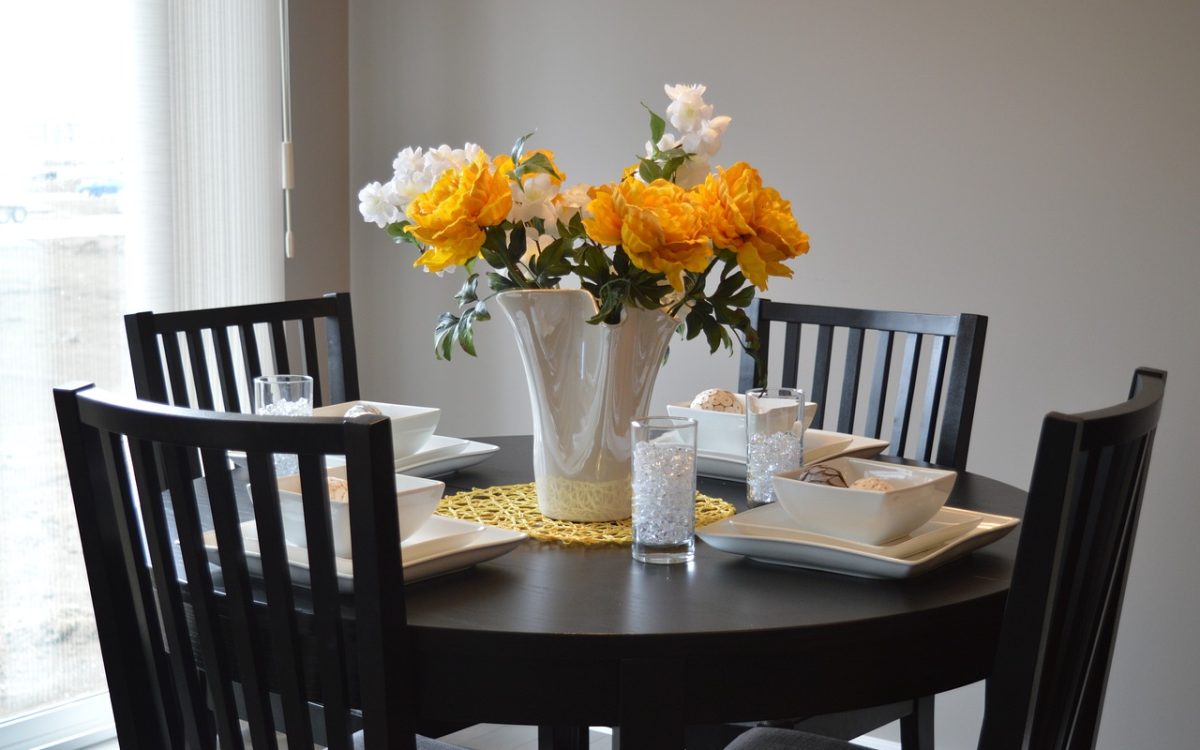
The decision is near impossible, so I recommend, if you can, some of both – that way you can fill your home with scented and aesthetically pleasing flowers and enhance your dinner plate with fresh and healthy fruits and vegetables.