
Gardening can be a challenging activity for those with arthritis, but there are ways to adapt gardening practices to make it more manageable and some great tools to help you. Here are some tips for gardening with arthritis:
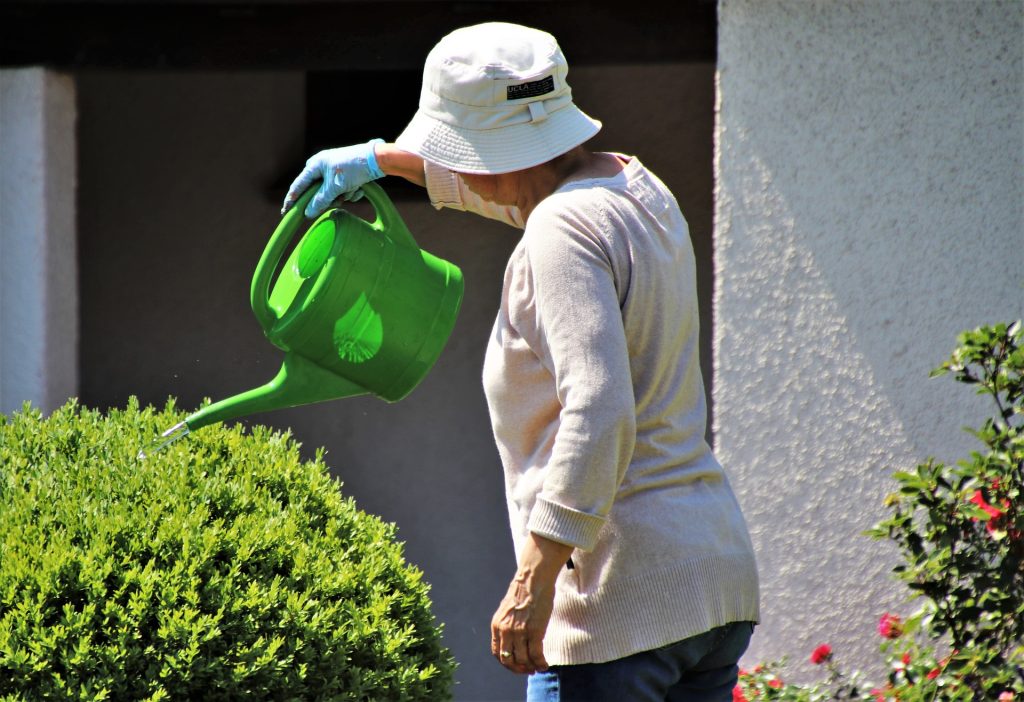
- Choosing the right tools: It is important that you select gardening tools that are lightweight, have ergonomic handles, and are designed to reduce strain on the joints. Long-handled tools can also be useful as they can reduce the need to bend or kneel. See our reviews on useful gardening tools for those with arthritis.
- Start small: It is important that you do not overwhelm your body with your gardening aspirations. Begin with a small garden bed or container garden to limit the amount of time spent bending or kneeling. You can then gradually increase the size of the garden as tolerance allows. Alternatively, you may find that the small garden bed is big enough for you – either way is ok.
- Using raised garden beds: Raised Garden beds are particularly great for those with mobility issues. They can reduce the need to bend or kneel, making gardening more comfortable.
- Taking breaks is important: Taking frequent breaks to rest, stretch and avoid overworking the joints is a good practice to follow. Consider breaking up gardening tasks into smaller, more manageable segments. Prioritise tasks so that you are not overwhelmed with all of the things you have to do as this may lead you to push yourself too hard. There are some great gardening checklists here to help with your planning.
- Wear supportive shoes: Wearing supportive shoes is very important. Shoes with good cushioning can reduce the impact on joints and provide better support. Good quality shoes should be an essential part of your wardrobe and your gardening apparel.
- Stay hydrated: We are all aware of the benefits of water – for both the garden and the gardener! Drinking plenty of water can help reduce inflammation and keep joints lubricated. It will also prevent you from dehydrating from your gardening.
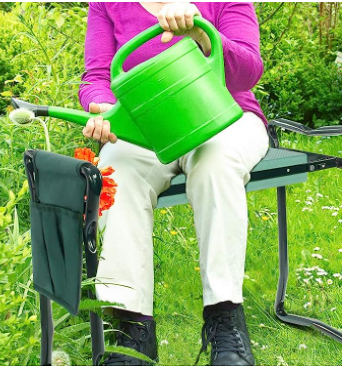
- Consider using assistive devices: Using assistive devices like gardening stools, knee pads, or gardening carts can make gardening more comfortable and reduce joint strain. See our suggestions for the best assistive gardening tools.
- Low maintenance gardens: Plant easy-to-maintain plants that require less maintenance and less watering. Low-maintenance perennials, to reduce the need for frequent weeding and watering.
- Move wisely: Avoid putting unnecessary strain on the joints. Avoid twisting or bending at the waist, and use your legs to lift heavy objects. Refer to our article about exercises to help you with gardening for further advice.
Overall, gardening with arthritis requires planning and patience, but it can be an enjoyable and rewarding activity. Arthritis or mobility issues don’t have to end your ability to get out into the garden. By adapting gardening practices and using the right tools and techniques everyone can continue to enjoy the many benefits of gardening.